Stop what you’re doing, and think about the last outfit you wore. Some of you might be wearing an outfit now. Some of you are trying to put an outfit together. However, one thing is in common: you’re wearing a repeated trend. It might not look like it, because fashion has a way of bringing past styles together and slightly changing the context so it feels like a whole new concept, but in reality, when you simplify it, it’s the same trend. There’s this saying, “fashion is a cycle,” and I’m pretty guilty of using the word “cycle” in fashion, whether with clothes or, in this case, trends. Sometimes, when I hear the word cycle, it can have a negative connotation, since many people are tired of seeing the same trends reinvented and want more. You’re probably wondering, “Well, Mia, how do you feel about trend cycles?” I really enjoy seeing old trends come back and how they’ve changed, because there’s a slight difference when some of them reappear, whether in how they’re styled, interpreted, and how they affect me. Yes, I make fashion very subjective and personal, because it should be. That’s how you’ll see your voice in the clothes you wear. That said, fashion has a way of revisiting the past, and something is fascinating about styles that were once popular in a particular era continuing to find their way back into modern times. So while some of these trends may look familiar, many of them return with a new interpretation. So as you continue to read this article, we will be exploring, stopping, and maybe shopping some of the trends of the past and how they’re shaping your present through five fashion reads I’ve gathered, as each talks about a past trend and how it’s influencing the way many are dressing today.
A Decade Making a Comeback
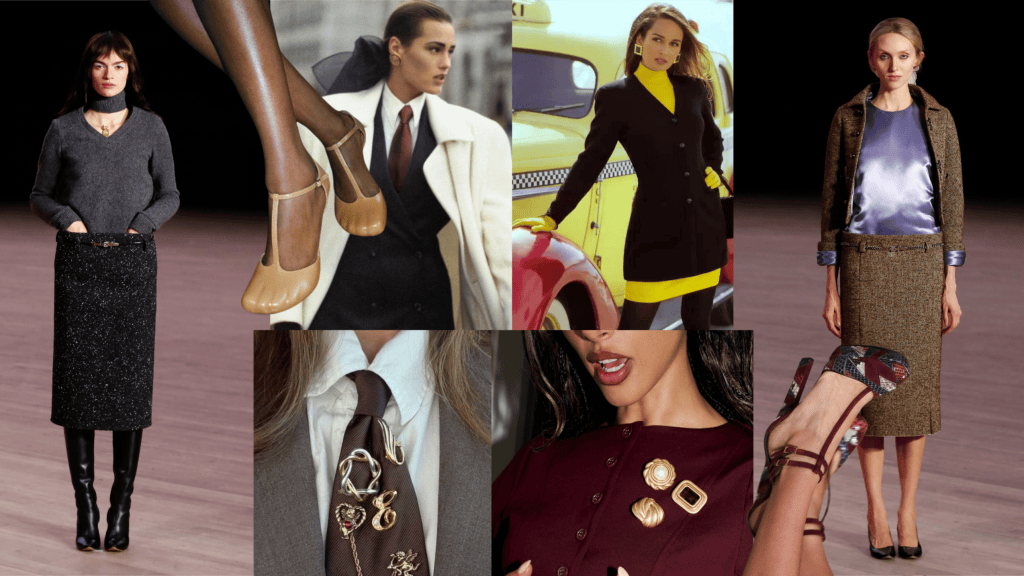
The 80s are back with the rise of the “Glamoratti Aesthetic,” a modern take on power dressing. This article explores what makes this aesthetic new and innovative while paying homage to the 80s. The piece also examines how these ego-affirming silhouettes function as a psychological placebo, helping wearers project confidence and command any room. It’s not just the clothing itself; the current atmosphere is contributing to this revival, just as it did in the 80s. So it’s not just about what you’re wearing, but also about how society shapes why you wear it. I find it fascinating how fashion continually recycles historical eras to mirror current cultural shifts and offer wearers an instant armor of empowerment. If you’re interested in the 80s, power dressing, and how it’s being reinvented through the “Glamoratti Aesthetic,” I recommend taking a closer look at this article, as it goes into detail.
A Forgotten Accessory Returning
Once considered an old-fashioned accessory that your mother or grandmother owned, it is now making its way back into modern fashion. Statement brooches are now turning a nostalgic, vintage staple into a modern maximalist must-have. This article explores the accessory by showing how it’s styled on lapels, collars, scarves, and other fun pieces as the overall trend becomes more decorative. Brooches ultimately elevate an outfit as sacred, personal artifacts, driving a cultural shift toward expressive, heirloom-inspired dressing. They also demonstrate how a small detail can transform one’s entire look. So it is hard not to love this playful accessory renaissance because it offers a genuinely creative way to inject personal history and individuality back into everyday wardrobes. If you’re interested in this trend, check out the article.
A Classic Shoe Style Making a Comeback
Flappers wore them, and now you can too. The vintage T-strap shoe is seeing a major resurgence this fall. This shoe dates back to the 1920s, when many flappers wore it for support while dancing. The T-strap first resurged in the early 2000s, but it’s making another comeback for fall 2026. This article breaks down the footwear’s history and practical design, and curates a list of current styles from labels like Reformation and Sézane. This trend offers a wide range because the shoe can be styled as a heel or a flat and pairs well with skirts or jeans. It’s fun to see how a century-old silhouette reinvents itself for modern wardrobes without losing its original charm. Learn more about the T-strap and all its variations through this article above.
Looking Back to Move Forward: The Return of 2016 Fashion
The current fashion landscape is experiencing an unexpected yet vibrant resurgence of 2016 streetwear, conspicuous branding, and layered maximalism as a direct rebellion against years of neutral minimalism. What makes this so significant is that 2016 was only a decade ago, yet people are unapologetically styling that year’s trends. Younger generations are yearning for something more expressive and personalized that they can incorporate into their style to make it feel like them. If it’s not personalized to you, how can we claim it’s personal style? I find the piece an exceptionally smart, refreshing take on how cyclical nostalgia operates as a psychological outlet rather than a mere retail gimmick. Ultimately, this trend revival proves that style will always bounce between the comfort of memory and the hunger for self-expression. I urge you to read this if you want to learn more.
The Past Influencing Modern Fashion
Designers are also drawing inspiration from the past. Marc Jacobs is disrupting traditional tailoring in his Fall 2026 collection, with geometric, square-shaped silhouettes that completely mask the waist and body curves. Marc has been drawing inspiration from past design eras and collections while intentionally rejecting modern body-con expectations. It is exciting to see a major designer stage such a bold, high-fashion protest against traditional flattering shapes and cheap nostalgia. This thoughtful approach to fashion history proves that clothes can be challenging artistic equations rather than just predictable silhouettes. So Marc reintroduces familiar designs in his collection, but reinterprets them through a contemporary lens. The showcase shows that fashion can move forward while still acknowledging the designs and ideas that came before it. Read the article if you want to learn more about Marc Jacobs and his influences for his Fall 2026 collection.
Fashion is a revolving door, and the past remains an important source of inspiration. These articles show how trends can return with new meaning while honoring their original context, and how they change through our style, since we all have different tastes and we’re a new generation. So sometimes we don’t have to view fashion as something entirely new every season; we can appreciate how decades before us still influence the clothes we wear and love today.
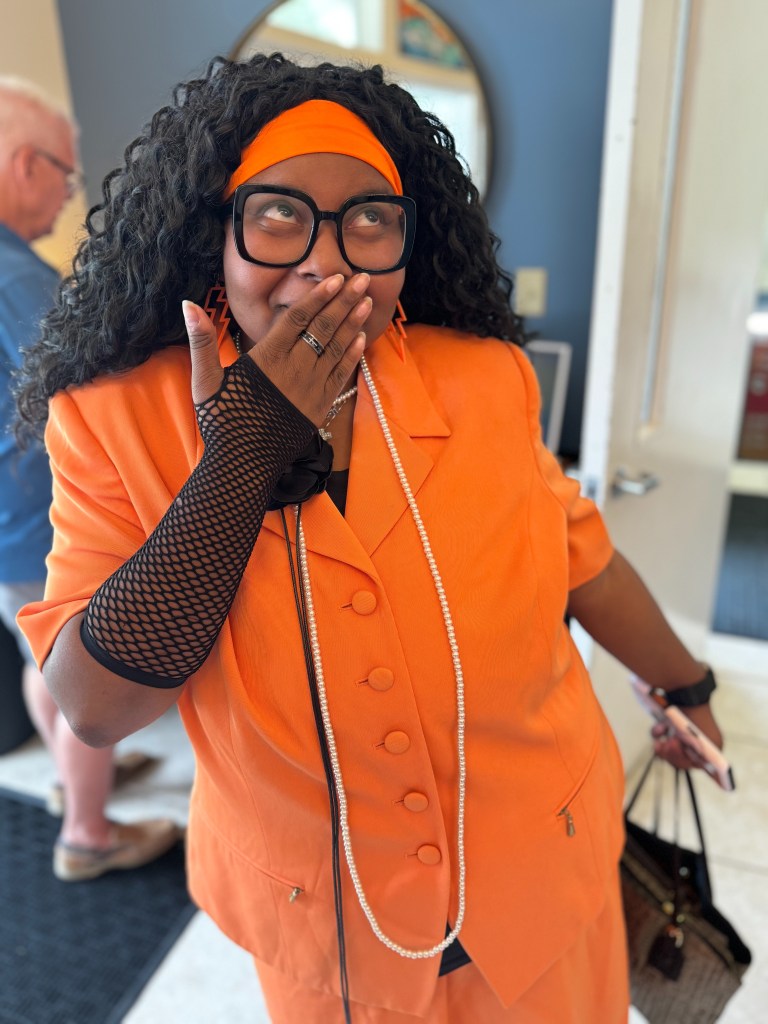
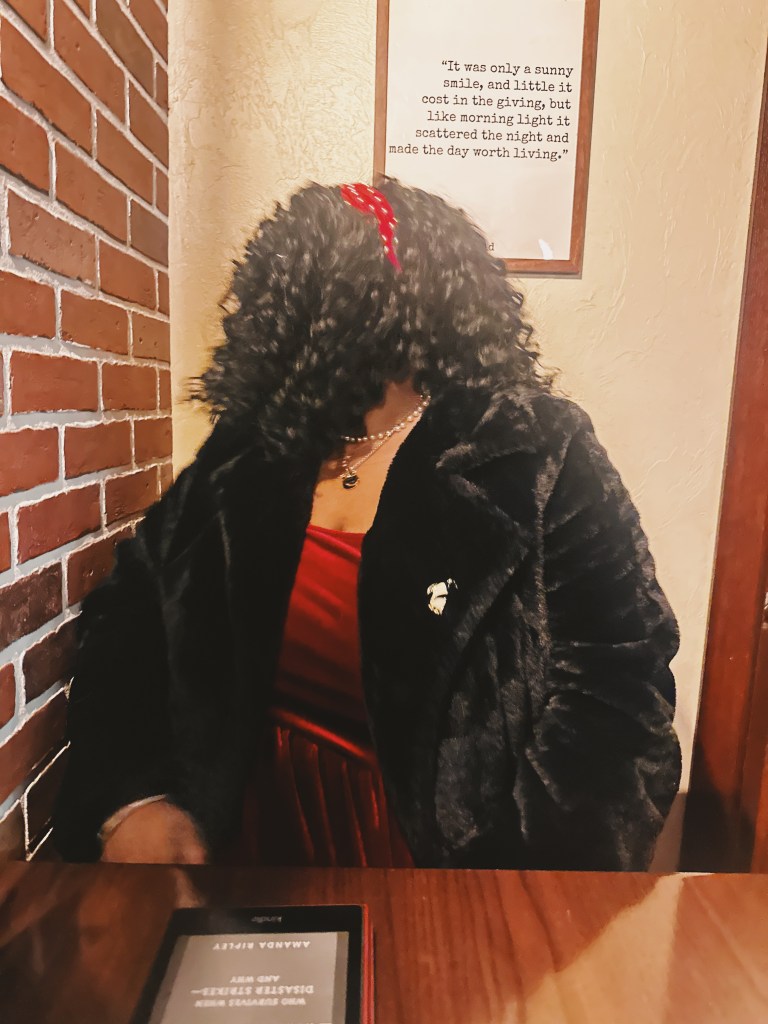
Here is some visuals on how I styled and incorporated old trends:
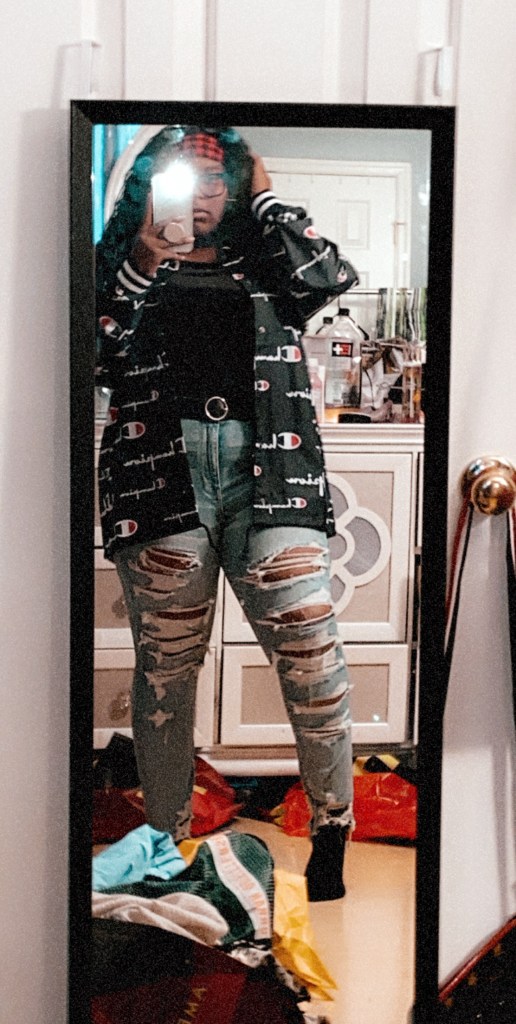
What’s a past trend that you’re currently obsessed with or want to incorporate into your style? It could be anything from the things I mentioned in this article to something you saw on the shelf or found on your own. Share your favorite past trend and era in the comments.


Tell Me Your Thoughts!